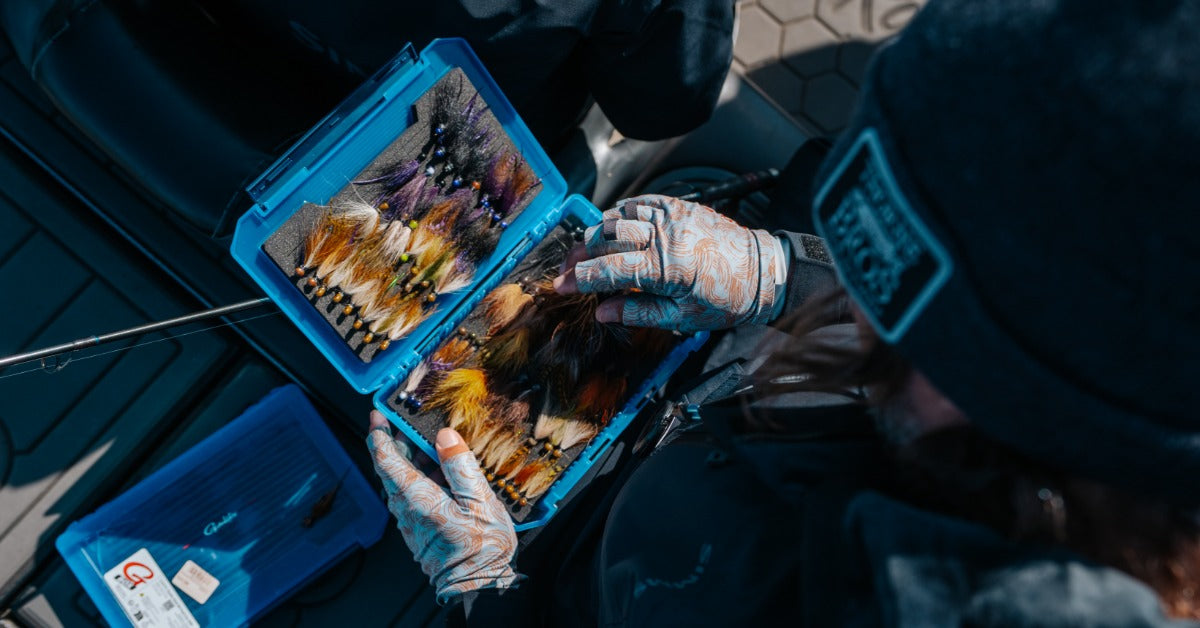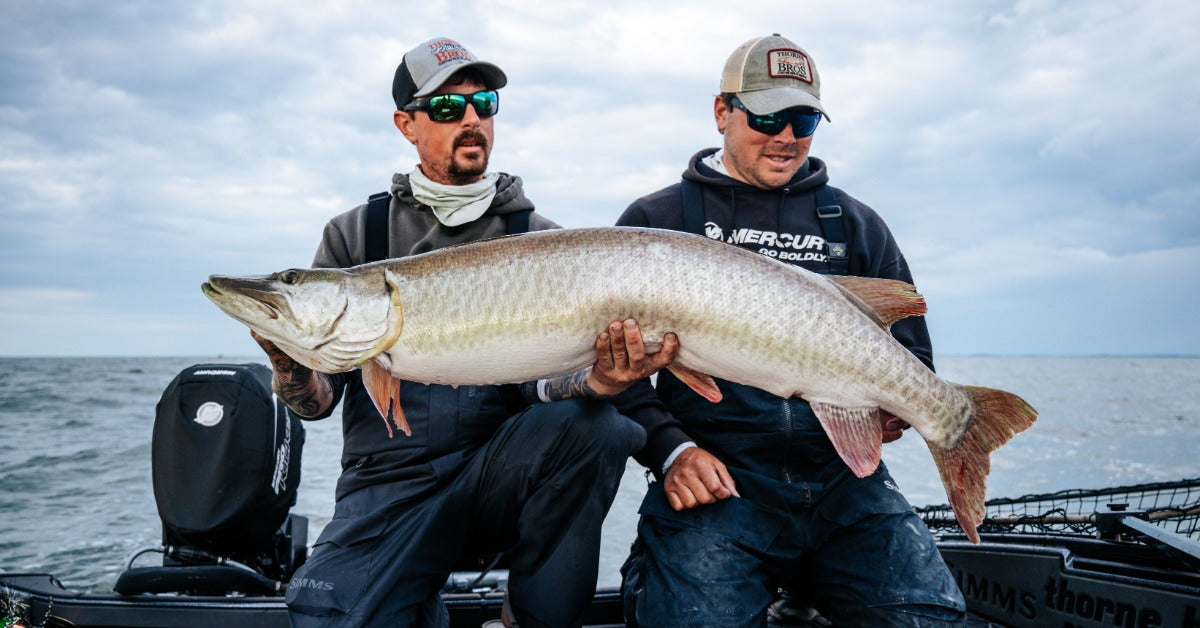

When you're casting large musky flies, the wrong fly line can make even a well-matched rod difficult to handle. A line that struggles to turn over bulky streamers can limit your casting efficiency, while an unsuitable sink rate may keep your fly outside the depth you're trying to fish.
Selecting a fly line for musky without the guesswork means evaluating your fishing depth, fly size, and rod specifications, which all influence which line will perform best. By determining these factors, you can narrow your options and choose a line that supports your fishing techniques.
Why Does Fly Line Selection Matter for Musky?
Unlike conventional fishing equipment, where the lure supplies much of the casting weight, fly fishing relies on the line to load the rod and carry the fly forward. Large musky streamers create considerable air resistance, making the line's weight distribution especially important.
A line designed for smaller freshwater flies may struggle to deliver bulky patterns, even when its labeled weight matches your rod. Choosing a line designed to handle larger flies can improve turnover and reduce the effort required to make repeated casts.
Start With the Depth You Need To Fish
Before comparing fly line brands, consider where your fly needs to travel during the retrieve. A musky holding near shallow vegetation requires a different presentation than one positioned along a deeper break.
Floating Lines for Shallow Presentations
When targeting muskies around shallow cover or working topwater flies, floating lines keep the line at the surface. This makes them useful when you want to avoid pulling the presentation into vegetation or other underwater obstacles.
Floating lines also make it easier to manage line position during shallow-water retrieves. However, they provide limited assistance when your fly needs to reach fish holding farther below the surface.
Intermediate Lines for Subsurface Fishing

If your presentation needs to travel beneath the surface without dropping quickly, an intermediate line may offer better control. These lines sink slowly, making them useful for streamers worked through shallow to moderate depths.
Because the line settles beneath the surface, it can reduce interference from surface disturbances. Your retrieve speed and the time you allow the line to sink will still influence how deeply the fly travels.
Sinking Lines for Deeper Water
When muskies hold along deeper structure, sinking lines position the fly closer to their location. Full-sinking lines descend along their length, while sink-tip designs concentrate the sinking section toward the front.
Neither option automatically guarantees the correct presentation depth, as you must also consider how the line behaves during retrieval, and whether you can maintain contact with the fly while working the intended water column.
Understand How Sink Rate Affects Your Presentation
Once you've identified the appropriate line category, compare how quickly different options descend. Manufacturers commonly express sink rates in inches per second, but those ratings describe the line's sinking characteristics under specified conditions.
Account for Retrieve Speed
A fast retrieve can cause a fly to travel higher in the water column, even when you're using a sinking line. If you're targeting deeper fish, allowing additional sink time before retrieving may help the presentation reach the desired depth.
When fishing bulky flies made with buoyant materials, you may need to adjust your sink time or retrieve speed to keep the presentation at the intended depth. These patterns can behave differently from weighted streamers, even when you're using the same fly line.
Consider Water Conditions
Current can influence how quickly your presentation reaches depth and how it moves during retrieval. When fishing moving water, pay attention to whether the line maintains the intended path or carries the fly away from your target.
Water clarity can also influence your presentation choices, particularly when you need to keep a fly within a musky's likely strike range. Select your line based on where you intend to fish the fly, not simply the maximum depth of the water.
Choose a Fly Line That Handles Large Musky Flies

After identifying your depth requirements, evaluate whether the line can efficiently deliver your preferred flies. Musky streamers often feature substantial materials that increase resistance during casting, placing greater demands on line design.
Compare Head Weight and Taper
The head is the heavier front section of a fly line that transfers energy through the cast. Lines with concentrated weight toward the front can make it easier to turn over large, wind-resistant flies.
A shorter, more aggressive taper may suit anglers casting bulky streamers at practical fishing distances. However, head designs vary between manufacturers, so compare their intended applications before assuming one taper will work best.
Think About Casting Efficiency
When you're repeatedly casting large flies, comfortable line handling matters as much as maximum distance. A line that loads your rod efficiently without excessive false casting can make extended fishing sessions more manageable.
Consider how much line you typically carry outside the rod tip before shooting a cast. Your casting technique and the space available around the boat may influence which head length feels most comfortable.
Match Fly Line Weight to Your Rod
Although fly rods carry recommended line weights, specialty fly lines don't always follow the same weight distribution as standard designs. Some musky-oriented lines use heavier heads to deliver large flies, making actual head weight worth examining.
Check Manufacturer Recommendations
Start with the line weight recommended for your rod, then compare the specifications of the lines you're considering. Rods designed for large streamers may accommodate specialized tapers, but their preferred casting weights can differ.
An excessively heavy line can make a rod feel overloaded, while an unsuitable lighter line may struggle to deliver bulky flies. Manufacturer guidance provides a useful starting point when evaluating compatibility.
Don't Overlook Your Leader
Even with a suitable fly line, leader construction can affect how efficiently the fly turns over. Musky setups commonly use relatively short, strong leaders with bite-resistant terminal sections suited to the fish's teeth.
If your fly consistently struggles to straighten during casting, examine your leader before assuming the line needs replacing. An appropriate leader should support the presentation without introducing unnecessary casting difficulties.
Find the Right Fly Line for Your Musky Setup
When it comes to selecting a fly line for musky without the guesswork, the most useful approach begins with your fishing conditions and works back to the equipment. Knowing where your fly needs to travel and how your rod handles different head designs makes it easier to identify a suitable line.
Whether you're assembling a dedicated musky fly setup or improving an existing one, explore the fly fishing gear available at Thorne Brothers Custom Rod & Tackle to find equipment that supports your preferred presentations.