
When you're working a lightweight jig, a rod that feels responsive can become frustrating once you switch to a heavier presentation. Even rods with similar power ratings can behave differently because blank construction influences how they load during casting.
With custom fishing rods, there's more you need to know than which components look good together. Every choice should support how you fish, from the lures you throw to your preferred casting style.
What Is a Custom Fishing Rod?
Rather than selecting a completed rod, anglers ordering custom builds work with a builder to choose components for specific applications. Options may include the handle, reel seat, guide system, and finishing details.
An angler who throws large musky baits might want a particular handle length for casting leverage, while someone fishing finesse presentations may prioritize lower weight. Not every combination works, however, so builders must consider component compatibility. A custom build also gives you an opportunity to specify details that standard product listings may not capture, such as your preferred grip position or the way you hold the reel during retrieval.
Understanding Custom Fishing Rod Components
Each component contributes to the finished rod, although some choices influence performance more directly than others.
Rod Blanks: The Foundation of Performance
Because the blank forms the rod's main structure, its construction determines much of how the finished setup behaves under load. Material influences weight and sensitivity, but individual blank designs also affect casting response.
Graphite blanks often appeal to anglers seeking lightweight construction and sensitivity, while fiberglass can offer a more forgiving bend for certain presentations. Describe your lure weights and preferred techniques so the builder can recommend suitable blanks. If you fish several presentations, identify the one that matters most; a blank optimized for your primary technique is easier to evaluate than a vague all-purpose specification.
Guides and Line Control

As line travels through the guides, their positioning influences line movement and how the rod distributes pressure when it bends. Spinning and casting reels release line differently, so their guide arrangements generally differ.
Builders also consider guide materials and sizing, but the complete layout matters more than any single guide. It should complement the blank and reel combination. The builder also needs to consider how the rod bends under load when determining guide spacing, since line should follow the intended path without contacting the blank.
Handles and Reel Seats
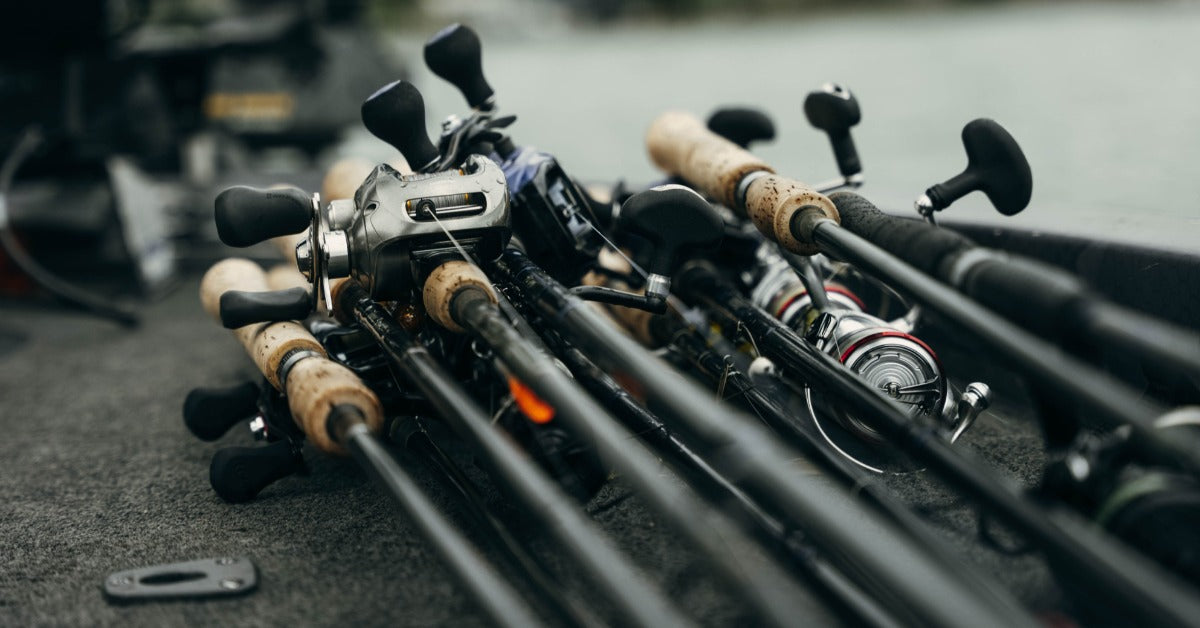
During repeated casting, handle dimensions influence comfort and leverage, particularly with larger lures. Cork and synthetic materials provide different grip characteristics, while handle length changes how the rod feels during a cast.
The reel seat must securely accommodate your preferred reel without creating an awkward grip. If you own a rod that feels comfortable, its handle dimensions provide a useful reference for your builder. Think about whether you cast with one hand or two and where the butt section rests during retrieval, especially if you use longer rods.
Understanding Rod Power and Action
Although anglers sometimes use power and action interchangeably, they describe different characteristics of a rod.
What Does Rod Power Mean?
Power refers to the force required to bend a blank. Ratings such as medium-heavy and heavy vary between manufacturers, making recommended lure-weight ranges important when comparing models.
A blank that doesn't load adequately with your lure can make casting difficult, while using a lure beyond its intended range may compromise control. Discuss actual lure weights rather than relying on the power label alone. The resistance a lure creates during retrieval may also influence what feels comfortable, even when two baits weigh about the same.
How Does Rod Action Affect Fishing?
While power describes resistance to bending, action identifies where the blank bends most readily. Fast-action rods typically flex closer to the tip, whereas moderate-action rods bend farther down their length.
A more progressive bend may suit certain treble-hook presentations, while anglers working bottom-contact baits prefer a responsive tip. Ask how a specific blank performs with your technique because its action rating doesn't tell the whole story. If possible, compare how candidate blanks flex under similar loads before choosing one.
Matching Custom Rods to Fishing Techniques

Your preferred presentation should guide the build, since a rod intended for one technique may behave differently with another.
Custom Bass Fishing Rods
When targeting bass, working a bottom-contact jig places different demands on a rod than retrieving a crankbait. Jig anglers prioritize sensitivity and a responsive blank, while certain moving-bait presentations benefit from a more forgiving bend.
Explain which presentations you fish most frequently and the lure weights you use. That information gives the builder a clearer starting point than requesting a general bass rod. You should also mention whether you fish from a boat or shore, since available casting space and preferred rod length can affect your setup.
Custom Musky Fishing Rods
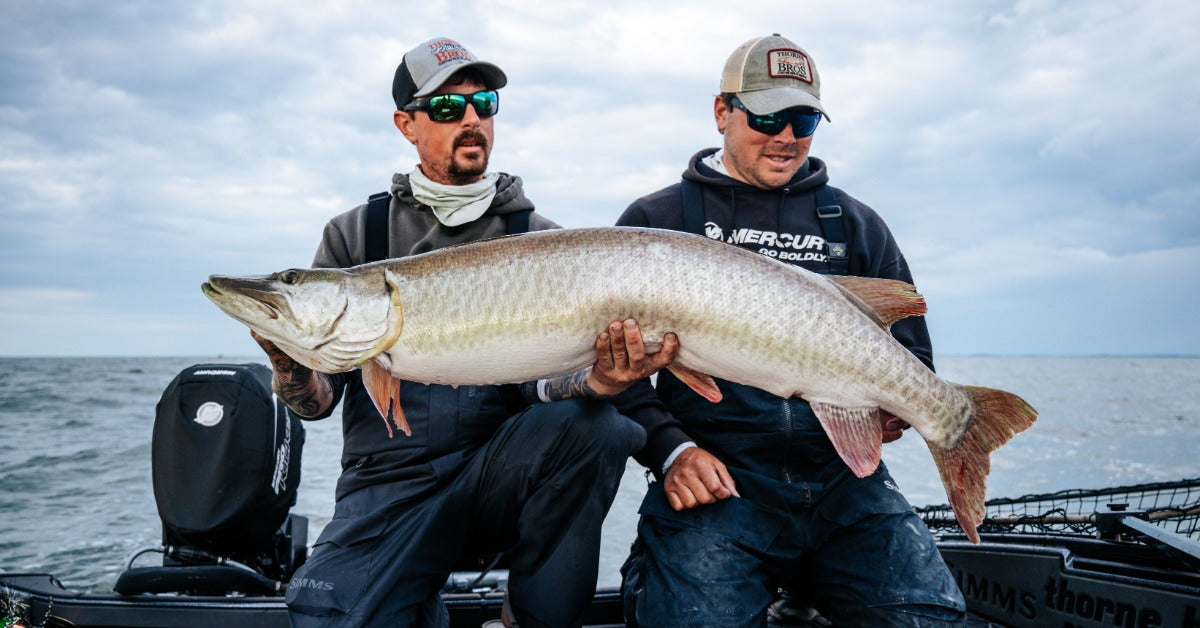
For musky anglers casting large lures repeatedly, the way a blank loads and responds during retrieval affects comfort. Handle length can influence leverage, while different bait styles create different demands on the rod.
If you regularly throw large rubber baits or retrieve bucktails, describe those applications to your builder. A configuration suited to one may not feel right with the other. For anglers making repeated casts, a handle that supports their usual grip can matter as much as the rod's stated lure-weight range.
How Does the Custom Rod Building Process Work?
Most projects begin with a discussion of intended use before moving into component selection and assembly.
Discussing Your Specifications
During the initial consultation, your builder may ask about preferred techniques, typical lure weights, and reel selection. Mention problems with existing rods, such as a handle that interferes with casting or a blank that feels too stiff for lighter presentations.
Selecting and Assembling Components
After establishing the application, the builder reviews available blanks and compatible components. Once you approve the specifications, construction includes positioning guides, securing components, and applying protective finishes.
Component availability and project complexity affect completion times, so confirm the shop's current schedule before ordering. Ask when you need to approve specifications and whether changes remain possible once assembly begins.
What Should You Know Before Ordering a Custom Rod?
Before committing, confirm that the proposed specifications accommodate your preferred reel, line, and presentations. Discuss how blank and component choices affect the total cost, distinguishing functional upgrades from decorative details.
Ask about maintenance, warranty coverage, and repair policies as well. Those terms vary, so confirm what applies to your build before placing an order. If you travel with your rods, discuss transport and storage needs, including whether the finished length fits your usual vehicle or rod storage system.
Explore Custom Fishing Rods at Thorne Brothers
With custom fishing rods, everything you need to know starts with how the components support your fishing techniques. A suitable blank provides the foundation, while handle and guide choices shape how the rod feels during use.
Bring your preferred presentations and any frustrations with current equipment to the conversation. Explore the custom built fishing rods at Thorne Brothers Custom Rod & Tackle to discuss your next build.